The First Quantitative Standard for Forefoot Surgical Planning
Planimetrics delivers the first objective measurement of forefoot joint laxity — transforming hallux valgus surgery from subjective palpation into data-driven, defensible decisions.
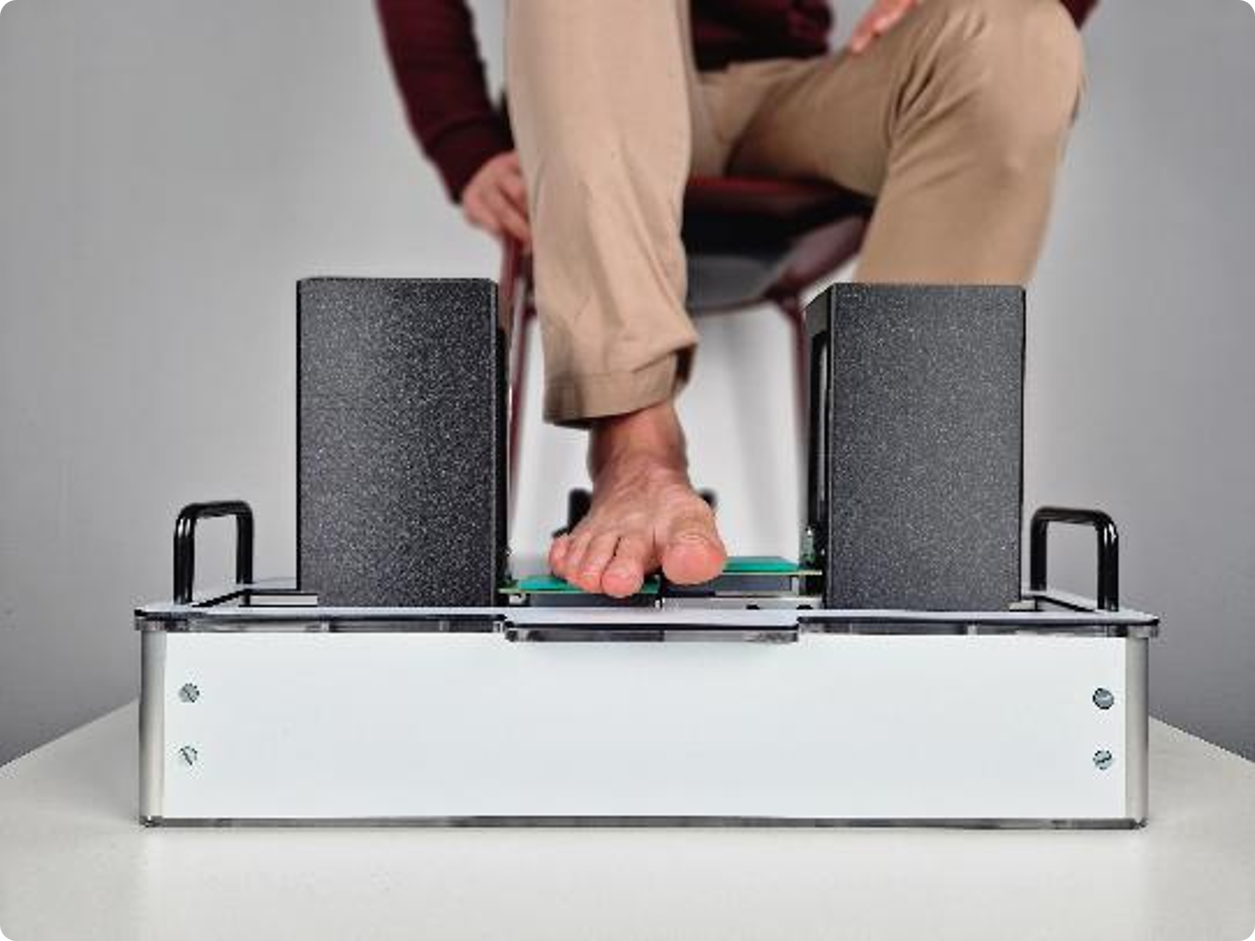
Hallux Valgus Surgery Is Still Planned by Hand
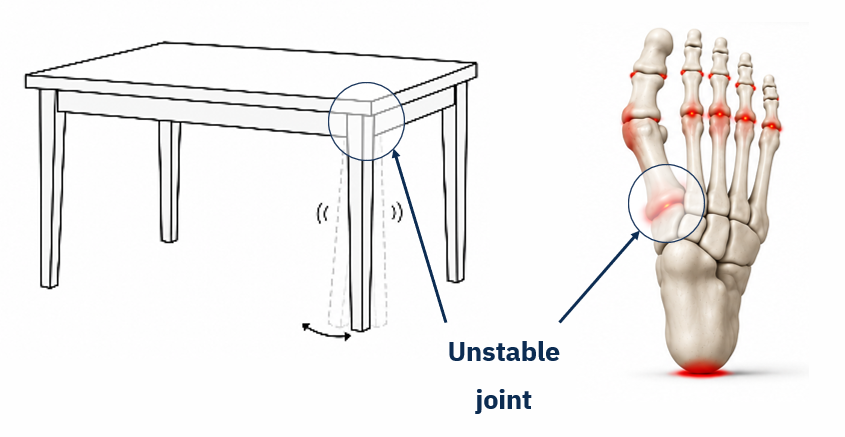
Think of a wobbly table. A single leg that is too mobile makes the whole table unstable — no matter how perfectly the top is built. The forefoot behaves the same way.
When the first ray is too mobile, the entire forefoot destabilises — driving hallux valgus and overloading the lesser metatarsals, the source of painful metatarsalgia. Today this instability is judged by hand: 40% variability between surgeons, zero decision support, zero defensible record.
Measure. Score. Decide.
Planimetrics is a point-of-care arthrometer that measures two predictive scores in under 3 minutes. 5× more precise than manual examination. Automatic and reproducible.
Measure and provide a personalized surgical indication for every patient — with a defensible record.
From Measurement to Surgical Recommendation
Place the RayStore arthrometer on the patient's forefoot. FRIS and LTS scores computed automatically in under 3 minutes.
The Planimetrics algorithm ranks procedure probabilities based on validated biomechanical models and normative data.
An auto-generated clinical report delivers a ranked surgical recommendation — a defensible record for the surgeon, clinic, and insurer.
What Planimetrics Actually Measures
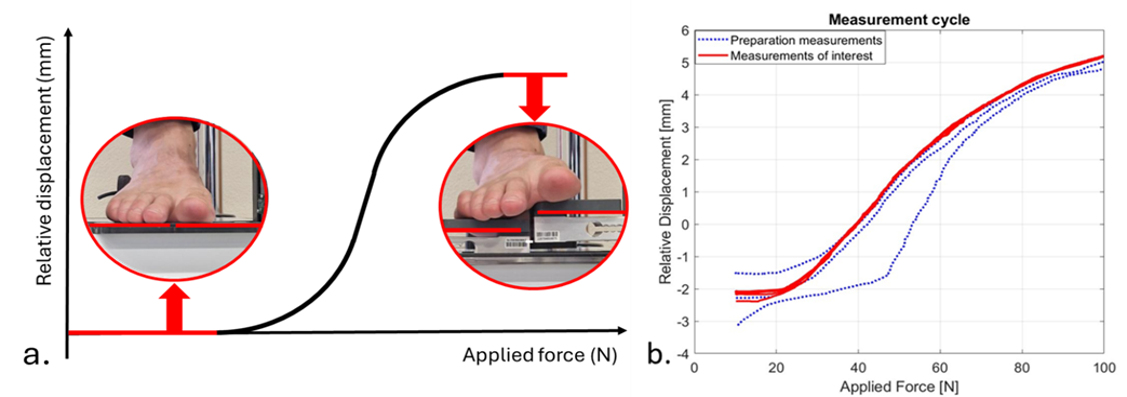
Measures how far the first ray displaces under a controlled applied force — quantifying joint laxity in millimetres. The primary driver of hallux valgus recurrence.
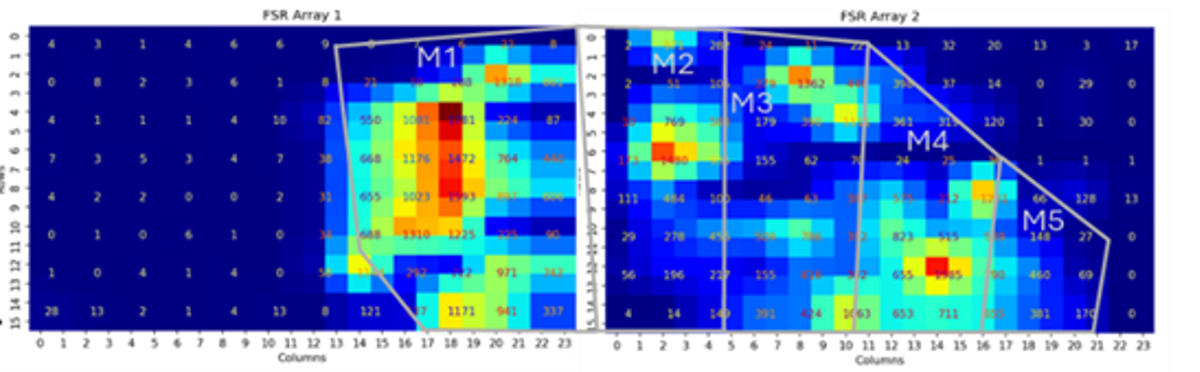
Maps load distribution across the metatarsals (M1–M5) using pressure-sensor arrays — revealing the overload that causes metatarsalgia and guiding technique selection.
The standard of care for forefoot surgery. Not yet invented — until now.
One Device. Value for Everyone.
Get a quantitative FRIS/LTS score for every patient. Produce a defensible record. Reduce 40% inter-surgeon variability.
Learn more →A $100 examination that prevents a $12,866 wrong surgery. Auto-generated reports. No secretary write-up. New reimbursement available today.
Learn more →CPT code 97750 billing pathway confirmed. Reduce revision surgery costs and post-operative care spend.
Learn more →Understand your surgical options with data. No more conflicting opinions. A clear, objective recommendation.
Learn more →Built on Published Science
The Momentum Is Real
"3 major hospitals in the US, Italy, and Belgium are ready to start clinical trials immediately."






From Inventor to Surgeon. The Problem Was Always Ours to Solve.
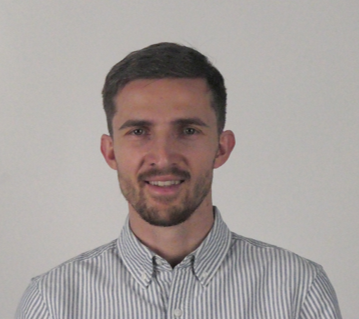
A skateboard injury brought Quentin to Dr. Assal 10 years ago. The problem became the mission. Inventor on both PCT families. Built first functional prototypes within 4 months.
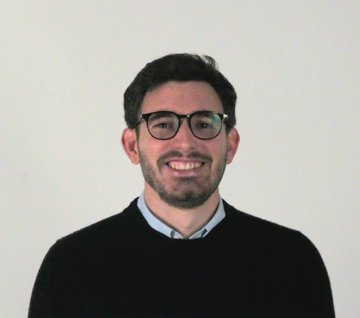
ISO 13485 regulatory expertise. Translated the prototype into a certifiable product architecture. Leads hardware, quality system, and industrialization.

200+ hallux valgus cases/year. Co-inventor of the clinical concept. First-site operator. KOL anchor across SFAS, EFAS and AO Foundation.
Latest from Planimetrics
Our founder explains why forefoot joint laxity has never been measured objectively — and what changes when it is.
Moissenet et al. — arthrometer-based measurement of first ray mobility validated against optoelectronic reference.
See clinical evidence →Pieroboni et al. — first ray laxity assessment shown reliable across examiners (N=30, ICC > 0.9).
See clinical evidence →Backed by Venture Kick, Innosuisse, FONGIT and Platinn — CHF 1.2M non-dilutive funding to date.
Ready to Transform Forefoot Surgery Planning?
Join the surgeons, hospitals, and investors building the new standard of care.
quentin.praz@planimetrics.ch · Geneva, Switzerland · planimetrics.ch